
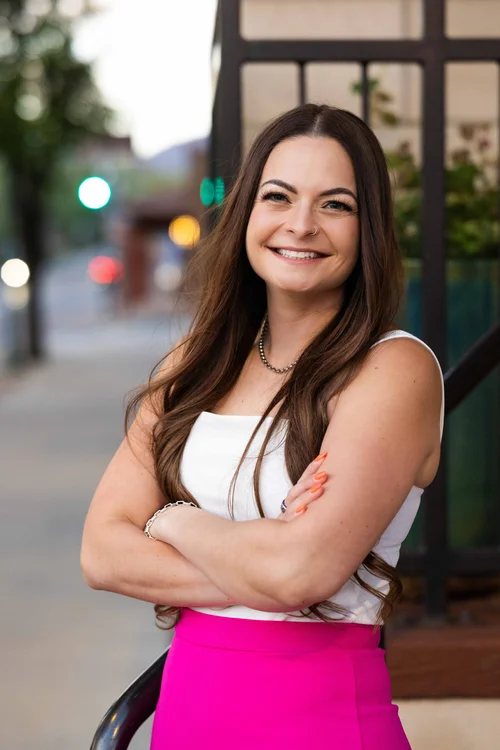
Interview with Danielle Cavaliere
Spotlight Series Topic: Peak Performance Cryo and Recovery
Guest Name: Danielle Cavaliere
Guest Credentials: RN
Discussion Details: Dr. Jordan speaks with Danielle from Peak Performance Cryo and Recovery about modalities, healing, and how cryo and heat can be helpful. They also discuss some of the most common modalities that people come in to use and some surprises for patients of Proof Physical Therapy.
Benefit of Watching: Learn about the benefits of using heat and cryotherapy for treatment of pain and their effect on healing. Learn about why it is important for self care and recovery to use heat, cryotherapy, and other modalities.
Address of Guest’s Business:
912 N Beaver St.
Flagstaff, AZ 86001
Dr. Jordan Williams: Hi everybody. I’m Dr. Jordan Williams with Proof Physical Therapy and Performance. Today we are speaking with Danielle Cavaliere uh who along with her husband Alex Wheelen is the owner of Peak Performance Cryo and Recovery. Uh she’s a registered nurse who works in the emergency department and her husband is an emergency medicine physician. Uh they just celebrated the one-year anniversary of the business being open by competing in a HYROX style competition. Today we just love to learn a lot about you and your business. So, thank you for being on. Um, tell me, how has the first year in business been?
Danielle Cavaliere: Awesome. Thanks for having me. The first year in business has been a lot. We’ve been learning so much, but it’s been really cool like meeting all of these like kind of wellness centered people who just want to like feel their best and stay active throughout their life. Um, but we’ve definitely been learning a lot.
Dr. Jordan Williams: That’s awesome. That’s awesome. What made you decide to go into the recovery business, recovery space?
Danielle Cavaliere: Yeah. Um, when we’ve been traveling, we have used some recovery type services. Um, and we were really surprised to not be able to find the things we were looking for in Flagstaff, especially with how active people are here. Um, so it took us a while, but eventually we were like, you know what? Let’s bring this stuff to Flagstaff. Just do it. Let’s just We have to do it if no one else is doing it.
Dr. Jordan Williams: That’s awesome. Um, what would you say that makes you something that makes you different? Because there’s a few kind of people doing recovery. I mean, you know, small parts of it around town. What makes you guys different than say other places that are doing recovery type?
Danielle Cavaliere: So, sure. Yeah, it’s a good question. um we put a lot of thought into the specific services that we are offering and also um with our medical backgrounds I think that gives us like a good edge on kind of like just how the body works and how to optimize it. Um but even like apart from our medical training like all this stuff is is a lot different than what we do in the hospital of course. So, in that way, it’s super cool to be on the like preventative care type side of medicine versus like the reactive type that most people are used to when they go to the ER.
Dr. Jordan Williams: Yeah. Yeah. That’s awesome. Um, what would you say? Who is your ideal fit or customer for your recovery space?
Danielle Cavaliere: Yeah. So, I personally think that we have something for everyone, but of course I think that um I think it’s a great place for athletes who like are trying to recover between working out and like um wanting to just like increase how much they’re working out and like you know either increase like distance or strength. I think we have a great resource for that. But also, we have a big clientele of people who are like kind of like middle-aged and um grew up like being active and are just kind of like feeling the wear and tear building up and they’re, you know, wanting to feel their best so they can continue like biking and doing their like thing, you know?
Dr. Jordan Williams: Right. Right. That’s I think it’s called TMB, right? Too many birthdays. So that helps. Um, so you would say this is not only a service for just athletes, but really anybody looking for kind of that recovery from any sort of activity that they’re doing.
Danielle Cavaliere: Okay.
Dr. Jordan Williams: Um, what is the process for somebody if they were just coming in off the street, they want to come in and see you guys, what does that look like?
Danielle Cavaliere: Yeah. Um, we will welcome you with open arms. You can either make an appointment online, you can give us a call, or business line. You could text the business line. Um, so the easiest way is to schedule probably a consult. That way we can like kind of give you a tour, show you everything, and then you could tell us like what you’re focusing on, and then we can give you recommendations on like what services and what kind of different things could benefit for you.
Dr. Jordan Williams: Okay. Okay. Uh, what’s the most popular service that you guys provide or what do people kind of use the most?
Danielle Cavaliere: There’s one that is like by far the most popular and I don’t know if from social media or what, but our full body red light panel is like booked just all the time and it’s awesome and it’s very relaxing and it also has a ton of research like backing all the benefits of anti-inflammatory and good for collagen and all that good stuff. Um, and then our second thing and our like favorite thing that we offer is the whole body cryotherapy.
Dr. Jordan Williams: Okay. Yeah. And so you were talking about the liquid nitrogen, right? Okay.
Danielle Cavaliere: Yeah. So it’s pretty intense experience and only takes three minutes. So if you’re busy, you can just pop in, do your whole body cryotherapy. Great for inflammation, great for longevity.
Dr. Jordan Williams: Okay. That’s like it’s just so cool. What would you say your favorite modality to use is?
Danielle Cavaliere: I love our traditional sauna.
Dr. Jordan Williams: Okay.
Danielle Cavaliere: Gets really hot up to 195ish degrees. Um, and I just love like how relaxing it is and it just feels like a really good reset when you’re in there. You can think really clearly. Maybe not for the last 5 minutes. It’s pretty challenging, but I just feel like I could conquer the world in there.
Dr. Jordan Williams: That’s awesome. How long would you do you take it up to 190?
Danielle Cavaliere: I do.
Dr. Jordan Williams: How long would you do you usually stay in there at 190?
Danielle Cavaliere: I try to stay in there for 20 minutes, but by minute 15. It’s pretty hard. Yeah.
Dr. Jordan Williams: You feel like your nose hairs are on fire at that point.
Danielle Cavaliere: But it’s so good for you. Like obviously mental health like I’m talking about, but also like cardiovascular health. So I really like that.
Dr. Jordan Williams: I mean the surprising thing, maybe not surprising surprising is that it’s not been used really hugely stateside, but all the Nordic countries use the sauna extensively. Right. They use cold flange extensively and like those are the two super common modalities I think people think of when they think recovery space. But that’s kind of that’s this much of what you guys do. So um what are all the other Can you name all the other modalities off the top of your head?
Danielle Cavaliere: Yes.
Dr. Jordan Williams: I think I know you guys have a hand a hand.
Danielle Cavaliere: Um okay. How I always take people through the space I do like a little tour in a circle. So that’s how I’m going to try to go through everything. Um so in our like first room we can do VO2 max testing which is really cool and then exercise oxygen therapy and after that we have our PEMF mat or pulse electromagnetic field therapy our Normatec of course whole body red light therapy um the sauna hydro massage cold plunge whole body cryotherapy local cryotherapy and we have this scale that will tell you your like body fat, lean mass, all that stuff. I think that’s everything.
Dr. Jordan Williams: I won’t double check your work on your website. That’s okay. Um, tell me about the process for VO2 max testing. Um, and yeah, what does that look like?
Danielle Cavaliere: Yeah, so kind of traditionally athletes are the only people who know their VO2 max. Um, and like highle athletes like Olympians, college level athletes maybe. Um, and it’s like how efficiently your body is using oxygen while you’re doing hard exercise. So the more efficiently your body is using that, the kind of harder you can push yourself. Um, so the process is you wear this mask that analyzes your breath. It analyzes each breath, like how you’re breathing in, how you’re breathing out, and a heart rate monitor and then a little backpack with this little machine on it. So it sounds that alone is challenging, but then the test is like called a ramp test. So you just increase your intensity every minute. Um we choose a protocol based on your current fitness level. So anyone can do it. Um usually it’s done on the treadmill but if you are limited in like kind of that like running impact we can also do it on the stationary bike. Um, but yeah, every minute you increase your intensity and it goes on until you can’t go anymore and then you get like a whole packet of data on like your biological age, which can be kind of fun, your VO2 max, um, how efficiently your like breathing coordination is, and you get your training heart rate zones, too. So, it gives you so much information. It could be overwhelming to look at, but once you like break it down, um, it’s really useful. That’s awesome. Um, and like I said, it’s not only for athletes, like everyday person, I think, should know your VO2 max, too. It’s like the fifth vital sign.
Dr. Jordan Williams: That’s exercise physiology class in undergrad. They talked about like your VO2 max is a really strong indicator of your you know how close you are to dying essentially and it’s it’s pretty accurate. So, but I would say you’re right the vast majority of people don’t know that.
Danielle Cavaliere: Right.
Dr. Jordan Williams: Um it’s not, you know, along with heart rate and blood pressure that they take in the doctor’s office if you do max test. So,
Danielle Cavaliere: right. And it’s like once you get your result, it’s not like oh well I’m out of shape. Darn. I’m going to die. you can train and you could change the way you train to improve it. So
Dr. Jordan Williams: yeah, um there’s like a goal in mind there, right? You don’t knowing is good, but like acting on it is best, right? Right. How long does it usually take to change go to max?
Danielle Cavaliere: Um we recommend testing um like every 6 months so you have enough time to kind of work on your training routine, right?
Dr. Jordan Williams: Okay, cool. Um, what’s something that most people don’t know that you think that they should know about your recovery modalities that you provide?
Danielle Cavaliere: Honestly, that’s a big part of our job. Um, I think is educating people like what all this stuff is and what it’s doing. Um, so education is like a huge piece of it, but something people don’t know. H just that it’s important I think even for the everyday person um to like take some time for yourself and do things that are benefiting you over time. It’s not like you’re going to do one red light therapy session and your cells are going to be like working optimally. Um but it’s stuff that you have to stay consistent with like working out. You have to stay consistent. You’re not going to like do a sit up and feel great. Right. Right. You know. So, yeah, I think just taking time to put back into yourself.
Dr. Jordan Williams: Awesome. Um, last question for you today. Do you have any type of special promotion that you want to promote today?
Danielle Cavaliere: Oh, yeah. We love our partnership with you guys. So, we want to offer um your clients or whoever’s watching um if they mention this, they can get 15% off the service.
Dr. Jordan Williams: Perfect. That’s awesome. We’ll definitely spread the word. Thank you so much for coming in. Uh thank you for watching and listening today and we will see you next time.